
By Onyeka Frank
On May 16, 2026, international attention shifted sharply toward Nigeria after President Donald Trump announced that a major joint counterterrorism operation carried out by United States and Nigerian forces had resulted in the death of a senior Islamic State leader identified as Abu-Bilal al-Minuki.
According to statements released by American and Nigerian officials, al-Minuki was regarded as one of the most influential operational commanders within the global ISIS structure and was described by President Trump as the “second in command of ISIS worldwide.”
The announcement immediately drew global media coverage because it represented one of the most significant counterterrorism developments in Africa in recent years and highlighted the growing strategic importance of West Africa in the international fight against terrorism. The operation also underscored the increasing collaboration between Nigeria and the United States in confronting insurgent groups operating across the Lake Chad Basin and the wider Sahel region.

The operation that led to the death of al-Minuki did not happen suddenly. Intelligence officials indicated that the mission was the result of several months of surveillance, intelligence gathering, and operational coordination between American and Nigerian security agencies. According to reports from U.S. defence officials, al-Minuki had been under close observation through a combination of satellite tracking, electronic surveillance, drone reconnaissance, and human intelligence gathered from sources within insurgent networks operating in northeastern Nigeria and neighboring countries. American intelligence agencies, including AFRICOM and other counterterrorism units, reportedly worked closely with Nigerian military intelligence, the Department of State Services (DSS), and regional security forces to track the movements and communication channels associated with the ISIS leader.
The individual at the center of the operation, Abu-Bilal al-Minuki, was believed to be a Nigerian-born extremist who rose through the ranks of the Islamic State West Africa Province (ISWAP), one of the most dangerous jihadist organizations operating in Africa. ISWAP emerged after a split within Boko Haram and later pledged allegiance to ISIS leadership in the Middle East. Over the years, ISWAP transformed from a regional insurgent movement into a sophisticated terrorist organization capable of coordinating attacks across multiple countries in West Africa.
Intelligence assessments suggested that al-Minuki played a critical role in this transformation by helping to coordinate logistics, financial flows, recruitment networks, propaganda operations, and strategic planning. Security analysts described him as a key figure linking African ISIS branches with the central ISIS command structure abroad.
Reports indicated that al-Minuki had been involved in several high-level terrorist planning operations. Intelligence agencies accused him of overseeing arms procurement, facilitating cross-border militant movement, supervising bomb-making operations, and coordinating communication among ISIS affiliates in the Sahel and Lake Chad regions. He was also believed to have played a role in expanding ISIS influence beyond Nigeria into Niger, Chad, Cameroon, Mali, and Burkina Faso. Due to these activities, the United States government had already designated him a Specially Designated Global Terrorist several years earlier. Security experts noted that his elimination was considered strategically important because he reportedly served not only as a regional commander but also as a bridge between African jihadist factions and the broader global ISIS hierarchy.
The Lake Chad Basin region, where the operation reportedly occurred, has long been one of the most volatile security zones in Africa. The area spans northeastern Nigeria and parts of Niger, Chad, and Cameroon, creating a vast and difficult terrain characterised by marshlands, forests, islands, and remote villages. For years, insurgent groups such as Boko Haram and ISWAP have exploited the geographical complexity of the region to establish hidden camps, launch attacks, and evade security forces. The region’s porous borders and limited state presence have allowed militant groups to move relatively freely across national boundaries, making counterterrorism operations particularly challenging.
Northeastern Nigeria, especially Borno State, has been the epicentre of insurgency activities since the Boko Haram conflict began in 2009. Thousands of civilians, soldiers, aid workers, and local officials have lost their lives during years of violence. Millions of people have also been displaced, leading to one of the largest humanitarian crises in Africa. Entire communities were destroyed as insurgents attacked villages, military bases, schools, markets, and places of worship. Over time, ISWAP emerged as a more organised and tactically advanced faction compared to Boko Haram’s original leadership structure. Unlike earlier insurgent groups that relied heavily on indiscriminate violence, ISWAP developed more strategic approaches, including attempts to win local support through taxation systems, controlled governance structures, and targeted military operations.
According to intelligence briefings cited by international media organisations, the operation against al-Minuki accelerated after security agencies intercepted communications suggesting that he was planning a major organisation of ISIS operations in West Africa. Analysts reportedly became increasingly concerned that ISWAP was attempting to consolidate militant groups across the Sahel under a more centralised command structure. Some reports suggested that al-Minuki had recently assumed broader responsibilities within ISIS’s global network following internal restructuring within the organisation after losses suffered in Syria and Iraq. As ISIS lost territory in the Middle East, Africa increasingly became one of the organization’s most active operational theatres, making commanders such as al-Minuki strategically important to the future direction of the group.
The operation itself was described by officials as a highly coordinated precision mission involving both air and ground components. Reports indicated that the final assault occurred during the early hours of the morning in a remote area near Metele in Borno State. Military strategists reportedly chose nighttime conditions to maximize operational surprise and reduce the risk of militant escape. Prior to the strike, surveillance drones allegedly monitored the target location continuously to confirm the presence of al-Minuki and other senior commanders within the compound. Intelligence teams also reportedly analyzed movement patterns around the camp to determine the optimal timing for the assault.
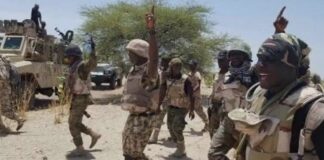
According to military accounts, the operation began with precision airstrikes targeting specific structures believed to house militant leadership figures. These strikes were reportedly guided by real-time intelligence provided through surveillance systems. Shortly after the aerial bombardment, Nigerian special operations forces supported by intelligence and logistical assistance from the United States moved into the area to secure the location and eliminate surviving militants. Officials described the operation as extremely sensitive because of the importance of the target and the risk that any operational failure could allow senior ISIS figures to escape.
President Trump later described the mission as “meticulously planned and very complex.” He stated that the operation was conducted under his direct authorisation following extensive intelligence reviews and consultations with military commanders. According to American officials, the mission represented one of the most successful joint counterterrorism efforts involving U.S. and Nigerian cooperation in recent years. Trump emphasised that no American personnel were killed during the operation, while Nigerian officials also indicated that their forces suffered minimal losses.
Security reports suggested that several additional militants were killed alongside al-Minuki during the raid. Among those reportedly eliminated were communications coordinators, field commanders, and bomb specialists linked to ISIS operations across the Lake Chad region. Nigerian authorities stated that weapons caches, communication devices, and intelligence materials were recovered from the site after the assault. Analysts believed that the seizure of electronic materials could provide further insight into ISIS operational planning, financing systems, and regional networks.
Following the operation, Nigerian President Bola Ahmed Tinubu publicly acknowledged the mission and praised the professionalism of both Nigerian and American forces involved in the operation. Nigerian military officials described the raid as a major milestone in ongoing efforts to dismantle terrorist structures operating in the northeast. Government spokespersons argued that the operation demonstrated Nigeria’s growing counterterrorism capabilities and the effectiveness of international security partnerships. Military analysts within Nigeria also noted that the operation reflected improvements in intelligence coordination, aerial surveillance, and rapid deployment capabilities compared to earlier stages of the insurgency.
The announcement by President Trump immediately generated reactions across the international community. Western governments welcomed the development as a major victory against ISIS. Counterterrorism experts observed that the elimination of a high-ranking ISIS figure in Africa confirmed the continent’s growing significance in global jihadist strategy. For years, international security attention focused primarily on ISIS operations in the Middle East. However, as pressure mounted against ISIS strongholds in Iraq and Syria, extremist groups increasingly shifted operational focus toward Africa, particularly the Sahel and Lake Chad Basin.
Security experts explained that the Sahel region has become attractive to extremist organisations due to several structural vulnerabilities, including weak governance, poverty, political instability, ethnic conflicts, and limited state control over remote territories. Countries such as Mali, Burkina Faso, and Niger have experienced significant increases in jihadist violence over the past decade. Analysts argued that ISIS and al-Qaeda-linked groups have exploited local grievances, economic hardship, and governance failures to recruit fighters and expand territorial influence.
Within Nigeria, reactions to the operation were mixed but generally positive. Many citizens viewed the elimination of al-Minuki as a symbolic victory against terrorism after years of insecurity and violence in the northeast. Residents in communities affected by insurgency expressed cautious optimism that the operation might weaken ISWAP’s operational capacity. However, some analysts warned against excessive celebration, arguing that terrorist organizations often adapt quickly to leadership losses. Historical experience with insurgent groups has shown that eliminating individual commanders does not necessarily guarantee the collapse of broader militant networks.
Counterterrorism scholars noted that ISIS has historically demonstrated resilience after leadership decapitation operations. Previous ISIS leaders killed in Iraq and Syria were often rapidly replaced by new commanders. Analysts therefore emphasized that long-term success would depend not only on military operations but also on broader strategies addressing governance, economic development, border security, and ideological radicalisation. Experts argued that sustainable peace in northeastern Nigeria would require rebuilding communities devastated by years of conflict while also improving education, employment opportunities, and public trust in state institutions.
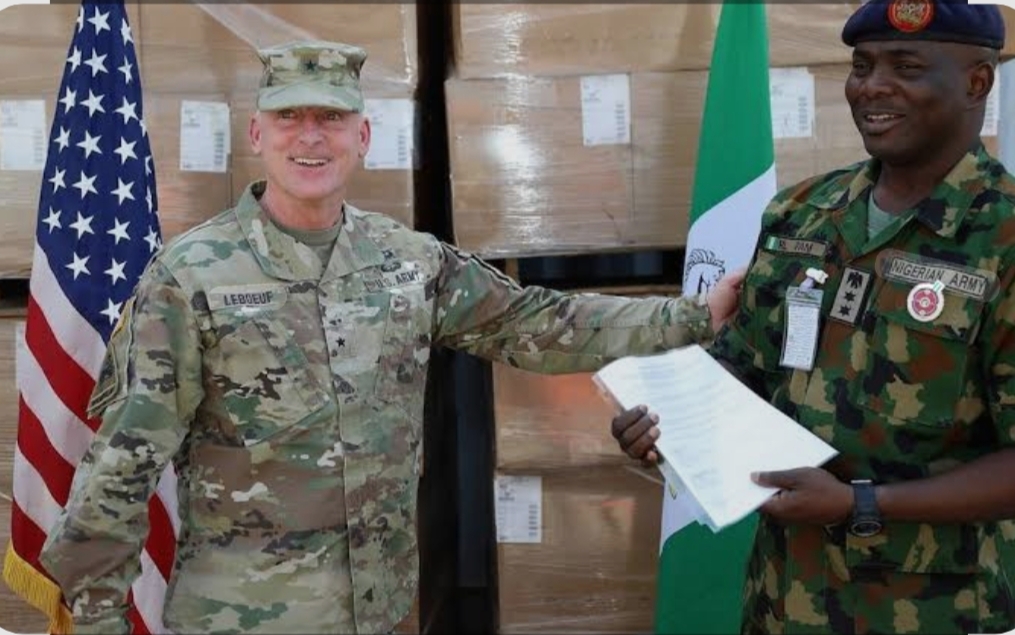
The operation also drew attention to the evolving military relationship between Nigeria and the United States. In recent years, security cooperation between the two countries experienced periods of tension due to concerns over human rights, governance issues, and disagreements regarding military assistance. However, the growing threat posed by ISWAP and broader instability in West Africa appears to have renewed strategic cooperation between both governments. Reports indicated that the United States expanded intelligence-sharing programmes, surveillance assistance, and counterterrorism support for Nigerian operations in the months preceding the mission against al-Minuki.
American defence analysts described Nigeria as a strategically important partner in combating terrorism in Africa because of its population size, regional influence, and geographic position. Nigeria’s stability is considered critical to broader West African security. If insurgent groups successfully destabilise Nigeria, the consequences could affect neighbouring countries and undermine regional economic and political stability. As a result, international powers including the United States, France, and the United Kingdom have increasingly prioritised security partnerships with countries confronting jihadist threats in Africa.
The operation also highlighted the increasing role of technology in modern counterterrorism warfare. Intelligence gathering through drones, satellite imagery, electronic interception, and artificial intelligence-assisted surveillance reportedly played a significant role in tracking al-Minuki’s movements. Military analysts observed that insurgent groups operating in remote regions are increasingly vulnerable to advanced surveillance systems capable of monitoring communications, heat signatures, and movement patterns across difficult terrain. At the same time, experts warned that militant organisations are also adapting by using decentralised communication systems, encrypted messaging platforms, and local informant networks to evade detection.
Another important dimension of the operation was its psychological impact on ISIS affiliates operating in Africa. The elimination of a senior figure regarded as one of the organization’s top commanders sends a message regarding the reach and persistence of international counterterrorism efforts. Security analysts noted that leadership losses can disrupt operational coordination, reduce morale among fighters, and generate internal mistrust within militant organisations. However, they also cautioned that such operations can sometimes trigger retaliatory attacks as extremist groups attempt to demonstrate continued strength.
Humanitarian organisations monitoring the conflict in northeastern Nigeria responded to the news with cautious hope. Aid agencies stressed that while military successes are important, the humanitarian crisis in the region remains severe. Millions of displaced persons continue to depend on humanitarian assistance for food, shelter, healthcare, and education. Many communities remain vulnerable to attacks, kidnappings, and economic disruption caused by ongoing insecurity.
Development experts argued that military victories must be accompanied by long-term reconstruction efforts if lasting stability is to be achieved.
Regional governments around Lake Chad also reacted positively to the operation. Authorities in Chad, Niger, and Cameroon have long struggled with cross-border insurgent attacks linked to Boko Haram and ISWAP. Joint regional military coalitions such as the Multinational Joint Task Force (MNJTF) have attempted to coordinate operations against extremist groups, though challenges related to funding, logistics, and political coordination have sometimes limited effectiveness. Analysts suggested that the successful operation against al-Minuki could encourage deeper regional intelligence cooperation and renewed momentum for multinational counterterrorism initiatives.
The broader geopolitical significance of the operation extends beyond Nigeria. Africa has increasingly become a major theatre in global security calculations. International organisations including the United Nations have repeatedly warned that extremist violence in Africa is expanding at alarming rates. Several African countries now account for a substantial proportion of terrorism-related deaths globally. The weakening of state authority in parts of the Sahel, combined with economic instability and climate-related pressures, has created conditions that extremist groups exploit for recruitment and expansion.
READ ALSO: Taxpayers Thumbs-up New Tax ID Portal, as JRB Races on With Implementation of Tax Reforms
The operation against al-Minuki therefore represented not only a tactical military success but also part of a larger global effort to prevent extremist organisations from establishing durable territorial influence in Africa. Western security officials fear that if groups such as ISWAP continue expanding unchecked, they could eventually create operational hubs capable of supporting international terrorist activities beyond the continent. Consequently, counterterrorism operations in Africa are increasingly viewed as directly connected to broader international security interests.
Within academic and security policy circles, the operation sparked renewed debate regarding the effectiveness of leadership-targeting strategies in counterterrorism campaigns. Some scholars argue that eliminating senior militant leaders can significantly disrupt organisational effectiveness, particularly when leaders possess specialised operational knowledge or strategic influence. Others contend that terrorist organisations with decentralised structures can often survive leadership losses by promoting replacement figures from within their ranks. In the case of ISWAP, analysts noted that the group has demonstrated institutional resilience and may attempt to quickly reorganise following al-Minuki’s death.
Another issue discussed by analysts was the ideological dimension of the insurgency. Extremist groups in the Lake Chad region do not rely solely on military force; they also exploit social grievances, political frustrations, and economic marginalisation to attract recruits. Youth unemployment, poverty, corruption, and weak governance create environments in which extremist narratives can gain traction. Consequently, experts emphasized that defeating terrorism requires multidimensional approaches combining security operations with governance reforms, education, economic inclusion, and community engagement.
The death of al-Minuki may also influence internal dynamics among extremist factions in the region. ISWAP and Boko Haram have historically experienced leadership disputes, ideological disagreements, and competition for influence. Some analysts suggested that leadership changes could trigger temporary instability within militant networks, potentially creating opportunities for security forces to intensify operations. Others warned that power struggles could increase violence as factions compete to demonstrate dominance.
Media coverage of the operation varied across regions. American outlets emphasized the success of U.S. military support and intelligence capabilities, while Nigerian media focused heavily on the role of Nigerian armed forces in executing the operation. International coverage highlighted the significance of Africa in the evolving global terrorism landscape. Commentators also examined the political implications for President Trump, who presented the operation as evidence of strong counterterrorism leadership and successful international military partnerships.
In Nigeria, political observers noted that the operation could strengthen public confidence in ongoing military campaigns against insurgents. Security has remained one of the country’s most pressing political challenges for years, affecting economic development, investment, education, and social stability. Successes against major terrorist figures may therefore carry important political significance domestically. However, citizens in affected communities remain primarily concerned with whether such operations will lead to tangible improvements in daily security conditions.
Military experts also stressed the importance of sustaining operational momentum after major counterterrorism successes. Insurgent groups often attempt to regroup after leadership losses by dispersing fighters, increasing recruitment, or shifting tactics. Security analysts argued that follow-up operations targeting logistics networks, financing channels, recruitment systems, and local support structures would be essential to consolidating gains achieved through the operation against al-Minuki.
The role of local communities in counterterrorism efforts was another issue emphasized after the operation. Intelligence gathering in insurgency environments frequently depends on cooperation from local populations. Communities affected by violence often possess critical information regarding militant movements and activities. However, mistrust between civilians and security forces can undermine intelligence-sharing. Experts therefore stressed the importance of improving civilian protection, accountability, and community relations within military operations.
As discussions continued internationally, analysts increasingly recognised that the elimination of al-Minuki symbolised the changing geography of global terrorism. While ISIS originally emerged in Iraq and Syria, the organization’s influence has increasingly shifted toward Africa. Affiliates operating in West Africa, the Sahel, Somalia, Mozambique, and other regions have demonstrated growing operational sophistication and territorial ambition. Consequently, future counterterrorism strategies are likely to devote greater attention and resources to African security theatres.
Ultimately, the killing of Abu-Bilal al-Minuki represented a significant moment in Nigeria’s long struggle against insurgency and in the broader international campaign against ISIS. The operation demonstrated the capabilities that can emerge through coordinated intelligence sharing, technological surveillance, and multinational military cooperation. It also highlighted both the progress and ongoing challenges in combating extremist violence across Africa. While the death of a senior ISIS commander constitutes an important operational achievement, experts widely agree that the deeper structural drivers of insurgency — including poverty, governance failures, regional instability, and ideological radicalisation — remain unresolved.
For Nigeria, the operation offered both symbolic and strategic significance. Symbolically, it demonstrated that even the most senior extremist leaders can be reached through persistent intelligence and military coordination. Strategically, it may temporarily weaken ISWAP’s operational command structure and disrupt planned attacks. Yet the broader conflict is far from over. The long-term trajectory of security in northeastern Nigeria and the wider Sahel will depend on whether military successes are matched by effective governance, economic opportunity, humanitarian recovery, and regional cooperation.
The international community will continue monitoring developments closely in the aftermath of the operation. Security agencies are expected to analyse intelligence recovered during the raid to identify additional networks, financial channels, and operational cells linked to ISIS activities in Africa. Meanwhile, communities affected by years of insurgency continue hoping that operations such as this will eventually translate into lasting peace, stability, and reconstruction after more than a decade of devastating violence.